PLAYLORE

PLAYLORE JOURNAL

PlayLore archive

Original, sourced stories about game history, machines and the cultures that shape play.
A real original Game Boy with a cartridge, an archival photograph representing the local-save era

Preservation · Save-data safety

Cloud sync is not an archive: the 15-minute check before switching devices

Sync makes moving easier, but it can also carry a deletion or unwanted state. This sourced checklist separates local saves, cloud sync and manual copies before you sell or reset hardware.Read story
A real official 2015 portrait of Japanese game designer Shigeru Miyamoto in a suit and patterned tie against a grey background

Creators · Game design

Shigeru Miyamoto doesn’t start with the character: how movement becomes a game

Before Mario became an icon, jumping was an answer to a barrel. Before Pikmin became a world, it was a handful of verbs: throw, stick, carry. A sourced look at action-first design—without the lone-genius myth.Read story
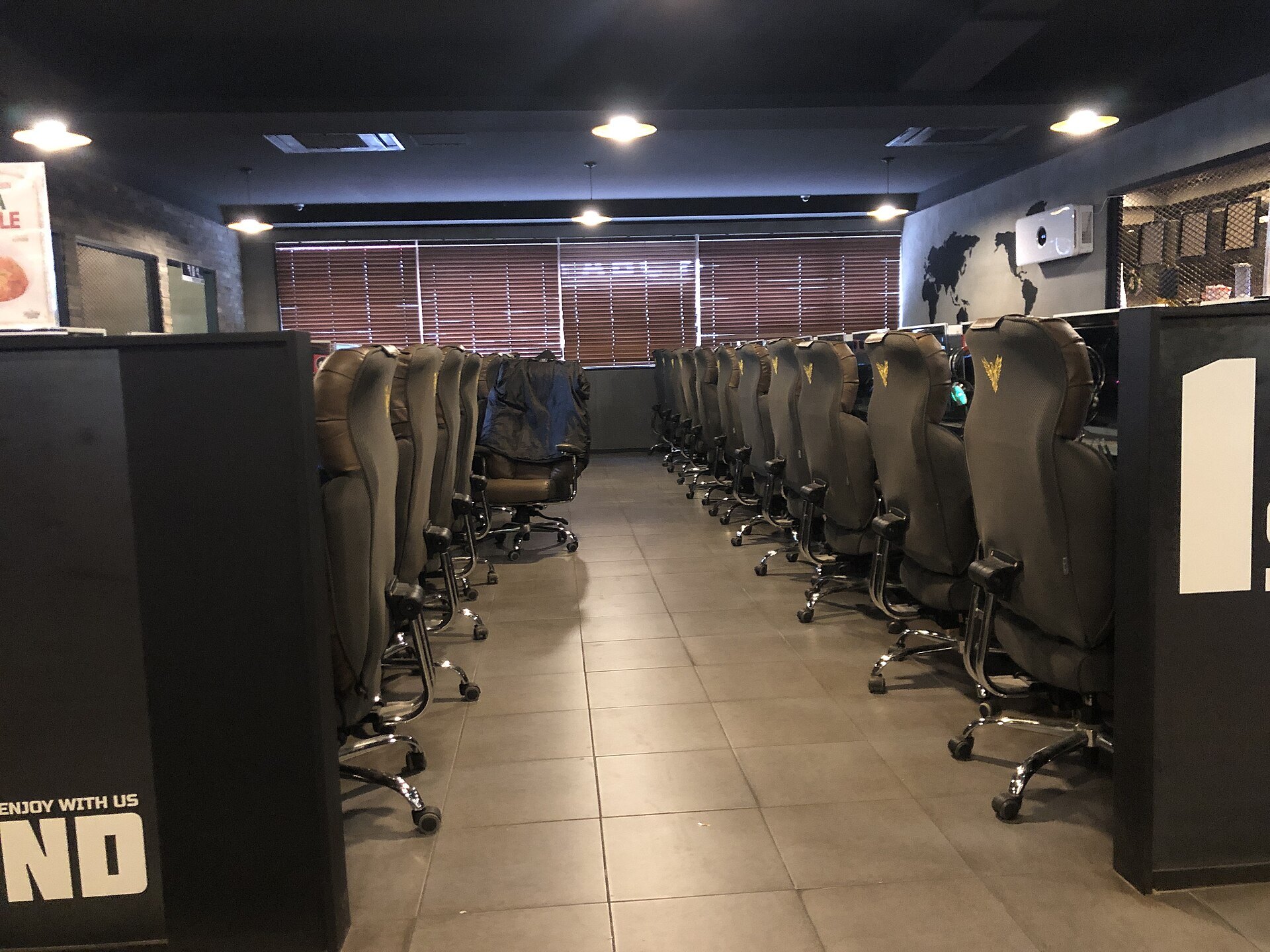
A real 2020 photograph inside a South Korean PC bang, with two rows of gaming computers and chairs divided by a central aisle

Countries · Korean play culture

Why didn’t smartphones kill Korea’s PC bangs? The room that became a platform

Mobile captures most Korean game revenue, yet the latest official white paper counted 7,243 PC cafés. This is not a nostalgia paradox—it is a lesson in bundling hardware, service and community into one product.Read story
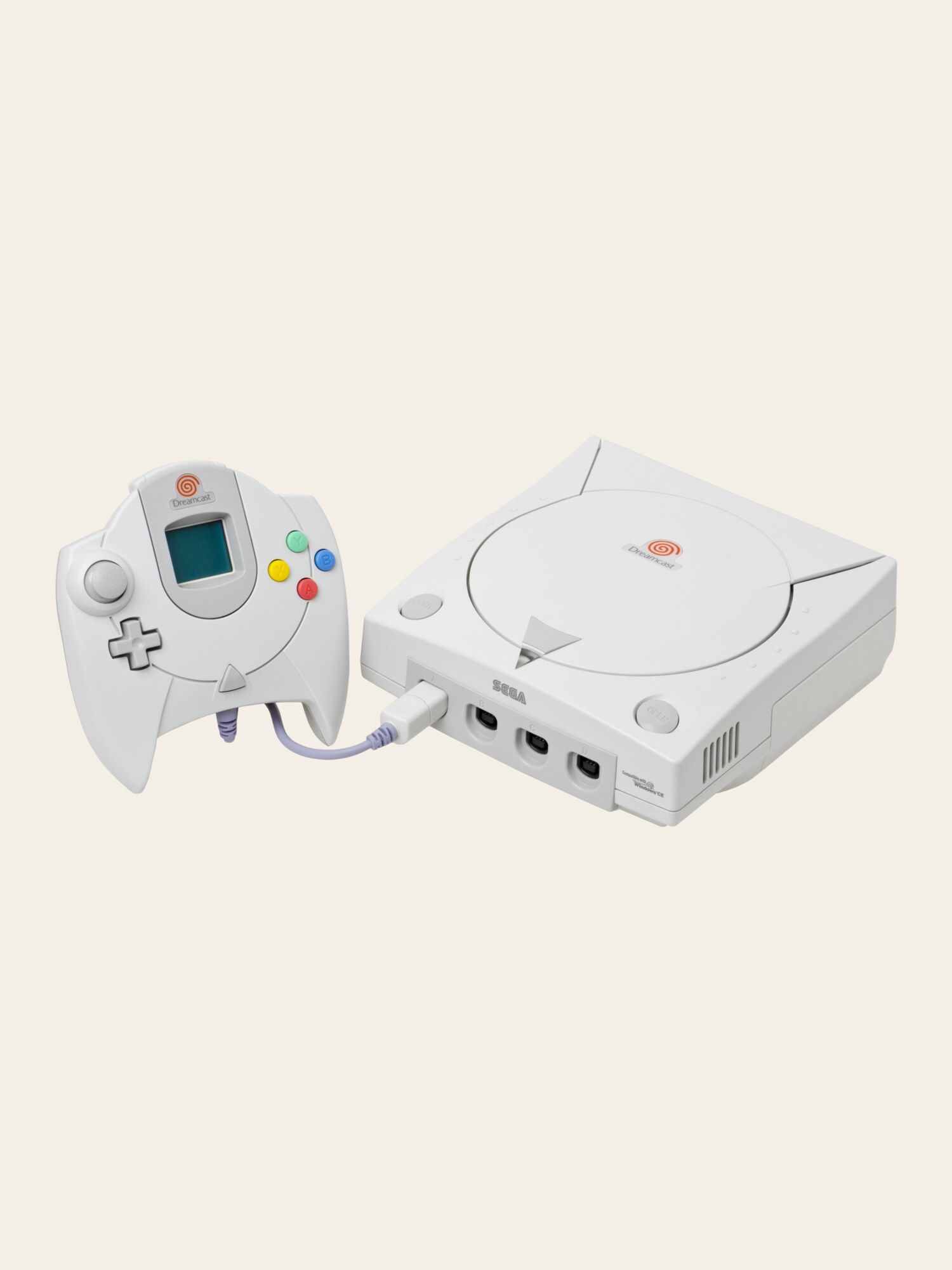
A real white Sega Dreamcast console with its controller and screen-equipped Visual Memory Unit on an ivory background

Platform history · Companies and technology
Dreamcast reached the future before broadband did

A modem in the box, a screen in the memory card, an arcade-to-home bridge—and an early hardware exit. The story of why a correct idea still needs the right ecosystem at the right time.Read story
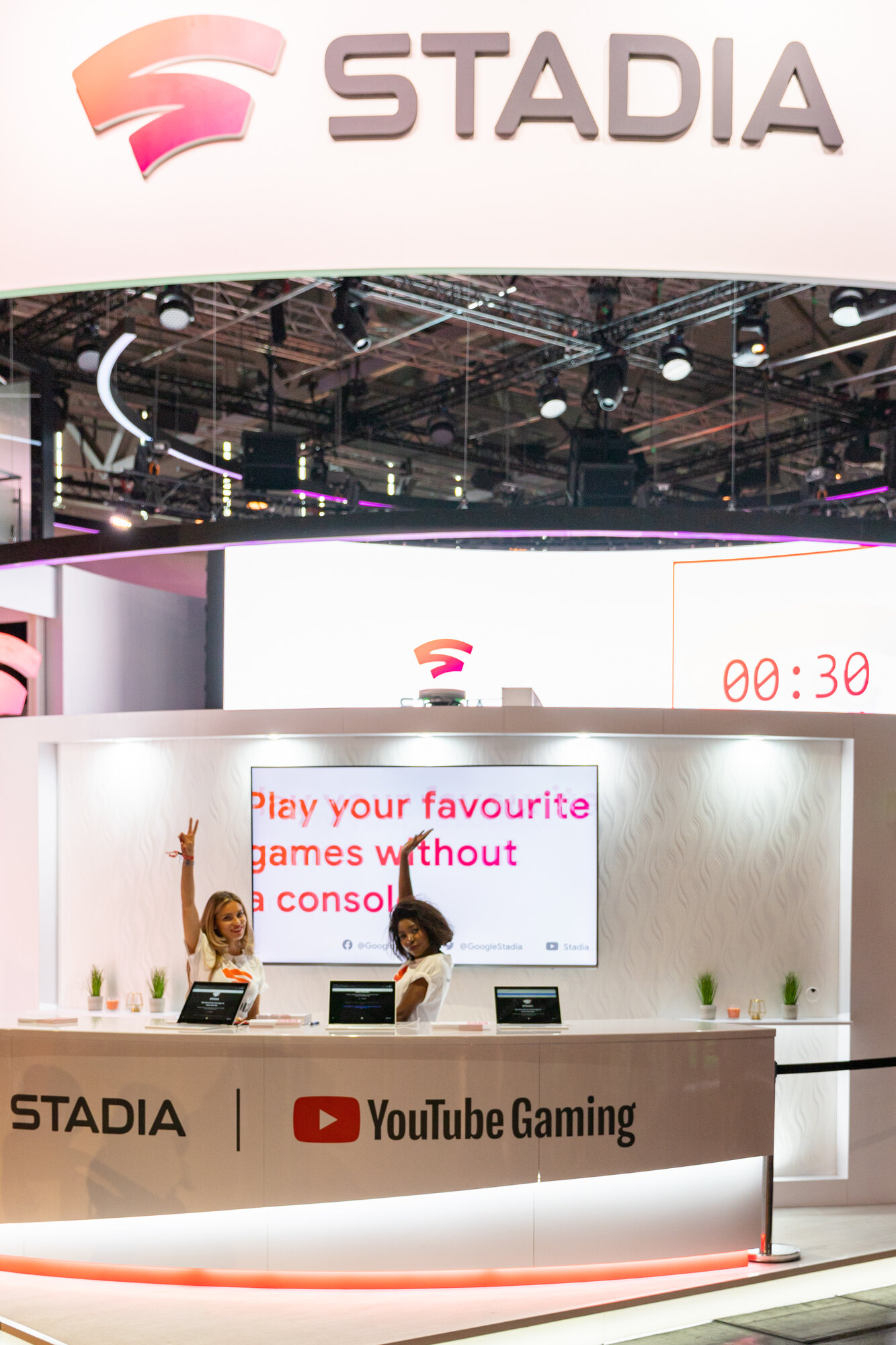
A real vertical photograph of the Google Stadia booth at gamescom 2019, with display screens and a demonstration counter inside the hall

Events · Viewing guide

How to read gamescom 2026 without swallowing the hype

A field guide that separates a confirmed schedule from a marketing promise, ranks hands-on play above polished footage, and protects your time, wishlist and wallet.Read story
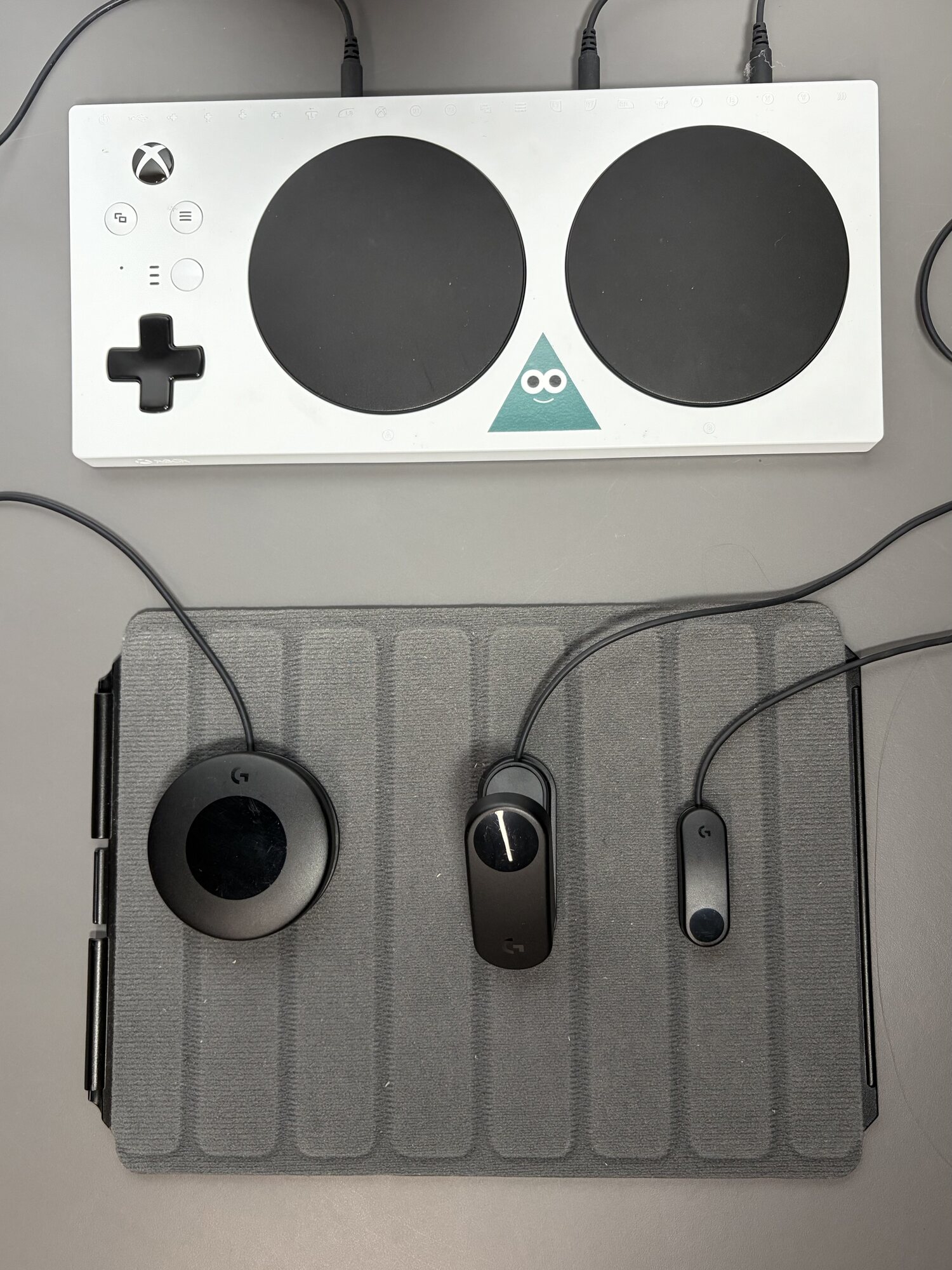
A real accessible gaming setup with a white Xbox Adaptive Controller and three wired external switches arranged on a grey mounting mat

Technology · Inclusive design

Accessibility is not ‘easy mode’: how controllers redesigned skill

Skill is not two fast thumbs on one prescribed shape. From Xbox Adaptive Controller to PS5 Access and a new shared tag language, this is a practical guide to finding the barrier and buying only the input you need.Read story
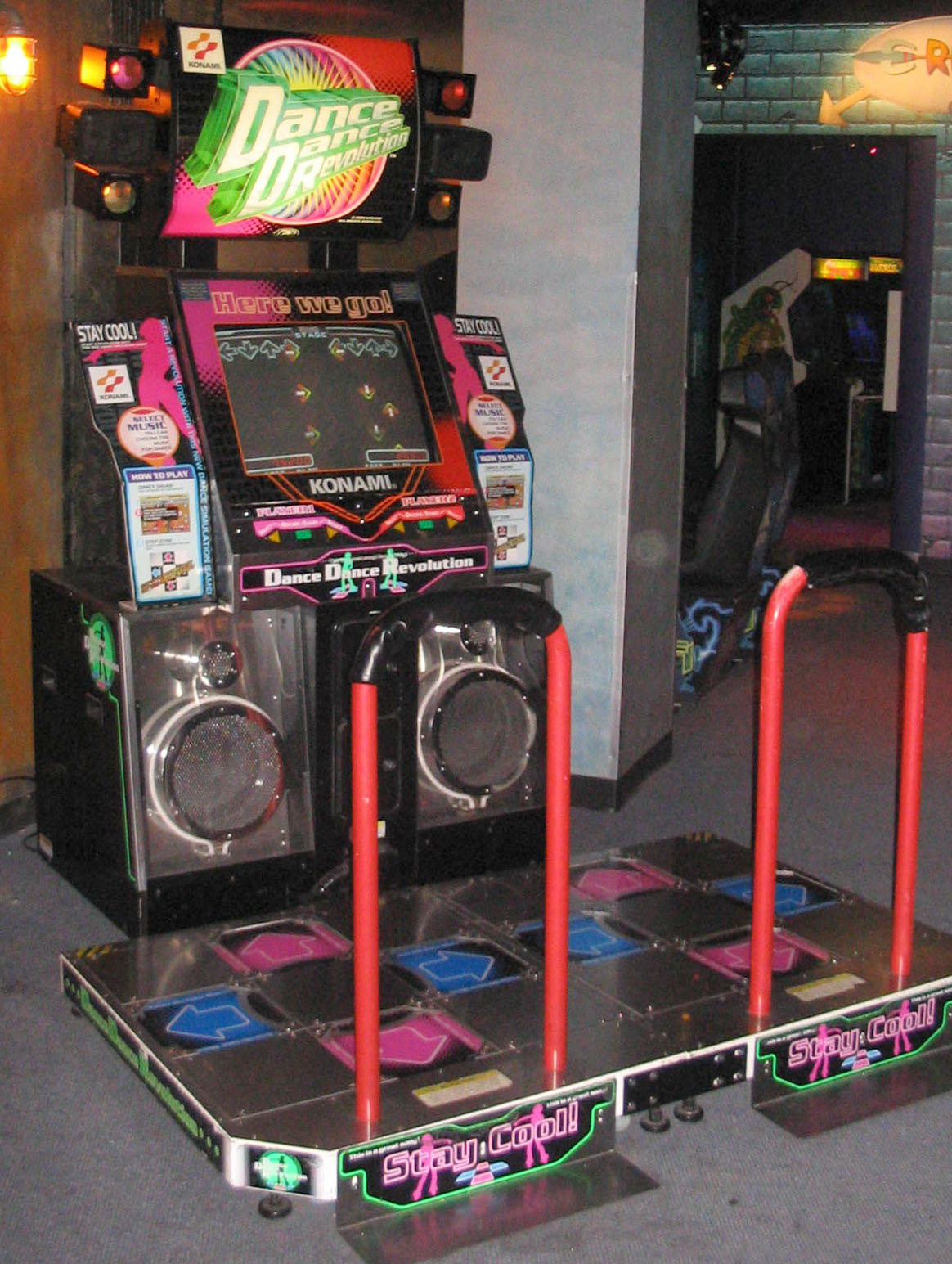
A complete Dance Dance Revolution arcade cabinet with two screens, two coloured dance stages and red support rails

Genres · Rhythm-game culture

Why do your feet know the beat first? The secret design of rhythm games

From DanceDanceRevolution arrows underfoot to Taiko drums and Beat Saber blades: how rhythm games turned music into a language the body can read—and how to choose the right doorway today.Read story
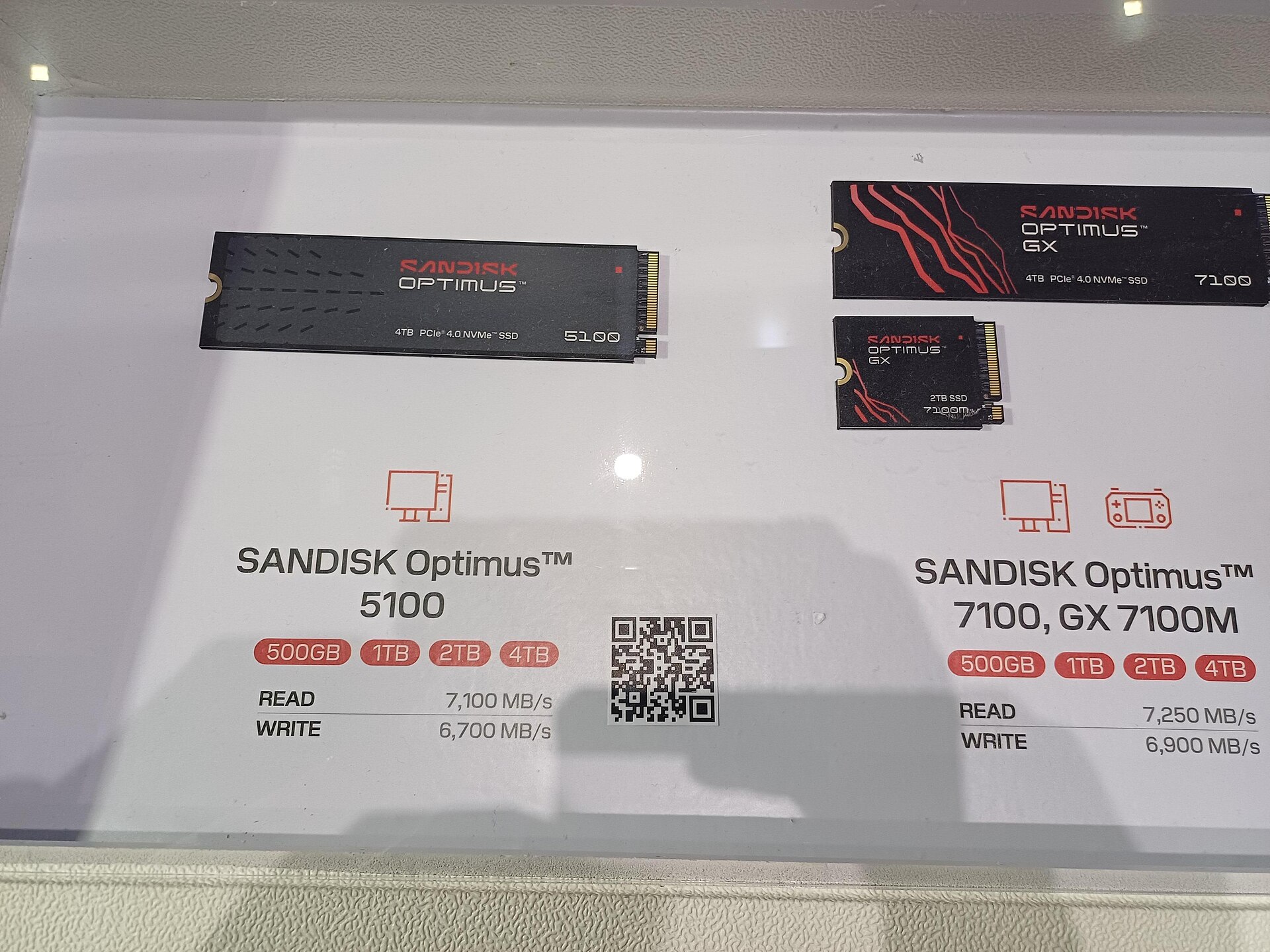
Three real NVMe M.2 solid-state drives in different sizes displayed on a white technology-show board

Technology · Storage buying guide

The game-storage trap: how much space do you actually need in 2026?

A terabyte is not a universal ticket, and a fast-looking card may be wrong for your machine. This practical guide separates storage that runs games from storage that merely holds them—and helps you avoid an incompatible upgrade.Read story
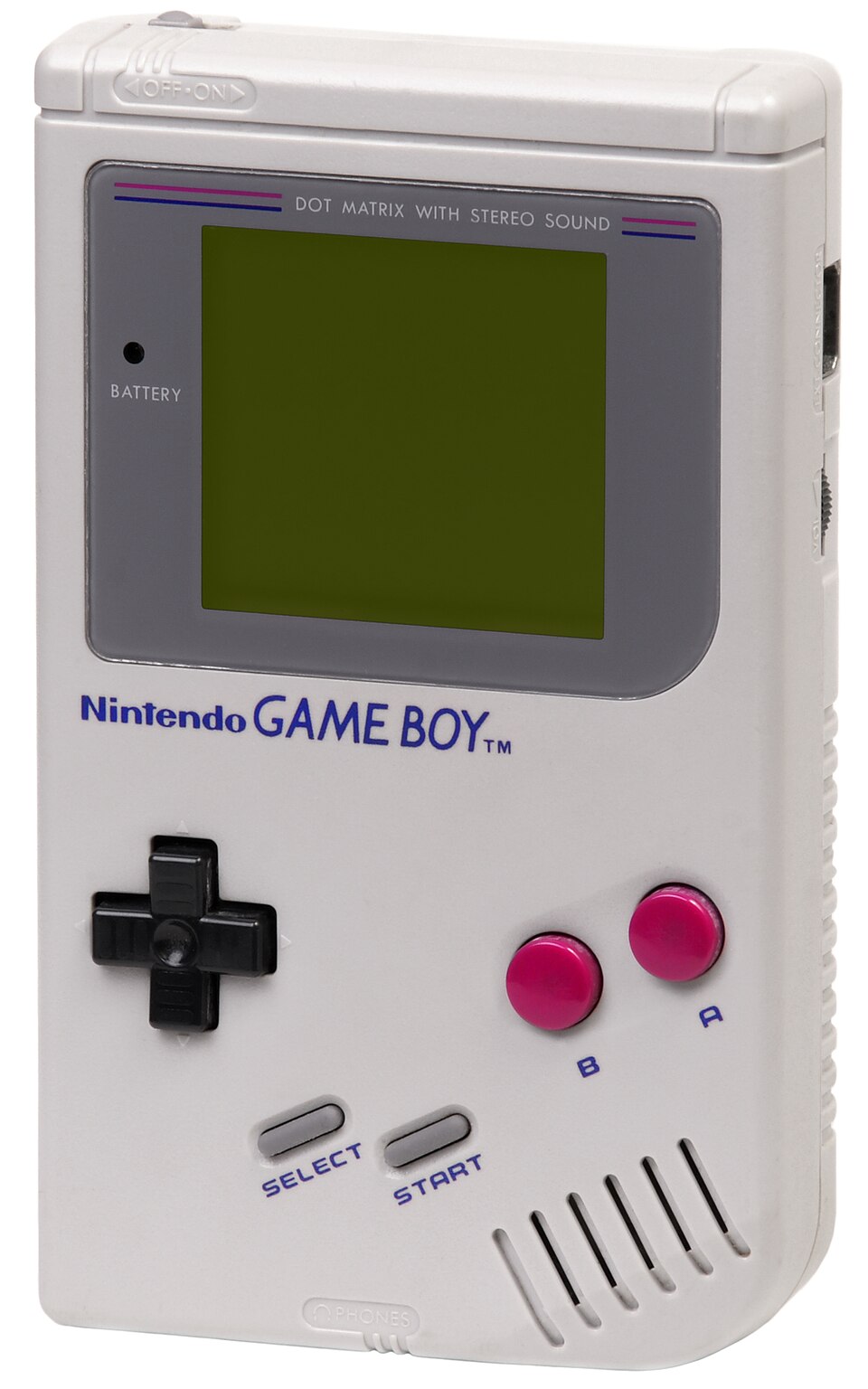
Front view of the original grey Nintendo Game Boy with green screen, magenta buttons and black directional pad

Game history · Handhelds

Why did the weaker machine win? Game Boy and the design lesson that still shapes handheld play

Four shades of grey, four AA batteries and modest silicon. Game Boy was not 1989’s visual showpiece; it was the machine that understood portability, a trade-off still visible in Switch 2 and Steam Deck.Read story